What Is ATEX Certification?
ATEX, short for “ATmosphères EXplosibles”, is a European safety standard that ensures equipment and protective systems are safe to use in potentially explosive environments.
Simply put, if your workplace has flammable gases, vapours, or dust, ATEX certification guarantees that your equipment won’t become the cause of an explosion. It’s not just a compliance badge – it’s a safeguard against catastrophic accidents.
There are two key directives under the ATEX framework:
- Directive 2014/34/EU – Ensures that equipment and protective systems are designed safely for use in explosive atmospheres.
- Directive 1999/92/EC – Focuses on protecting workers who operate in such hazardous environments.
Together, these directives create a complete safety framework ensuring that both equipment and people are protected.
Understanding ATEX Zones and Classifications
To make workplaces safer, ATEX divides hazardous areas into zones based on the frequency and duration of explosive atmospheres. This helps companies choose the right certified equipment for each location.
Gas/Vapour Zones:
- Zone 0: Explosive atmosphere is present continuously or for long periods.
- Zone 1: Explosive atmosphere is likely to occur during normal operation.
- Zone 2: Explosive atmosphere is unlikely, but if it occurs, it will exist only for a short time.
Dust Zones:
- Zone 20: Explosive dust atmosphere present continuously or for long periods.
- Zone 21: Likely to occur occasionally during normal operation.
- Zone 22: Unlikely to occur, and if it does, only for short durations.
- Each zone requires equipment with specific ATEX markings, indicating the level of protection suitable for that area.
Why ATEX Certification Matters
In industries like chemical processing, pharmaceuticals, food production, or mining, even a small spark can have serious consequences. That’s why ATEX certification plays a crucial role in industrial safety.
Here’s what it ensures:
Enhanced Safety:
Certified equipment is designed to prevent sparks, overheating, or static discharge protecting both workers and property.
Regulatory Compliance:
ATEX-certified equipment meets EU and international safety standards, reducing the risk of penalties or operational shutdowns.
Operational Efficiency:
Certified systems are more reliable, reducing maintenance costs, downtime, and accident risks.
Market Access:
ATEX compliance is mandatory for selling or using equipment in Europe. Certification allows businesses to expand confidently into new markets.
Why ATEX Certification Matters
Earning ATEX certification involves a detailed assessment of the product and manufacturing process.
Here’s how it typically works:
- Hazard Assessment: Identify potential ignition sources and the explosive atmosphere type.
- Design & Testing: Equipment undergoes rigorous explosion testing, temperature checks, and ignition protection validation.
- Quality Assurance: Manufacturers must implement a compliant quality management system.
- Documentation & Marking: Certified products receive the ATEX mark with group, category, and temperature class details.
This process ensures that every certified product performs safely even under extreme industrial conditions.
Industries That Benefit from ATEX Certification
ATEX-certified equipment is essential in sectors where explosive atmospheres are common:
- Chemical & Petrochemical: Handling volatile gases and liquids.
- Pharmaceuticals: Using flammable solvents in drug production.
- Food Processing: Milling or handling powders that can form combustible dust clouds.
- Mining & Oil & Gas: Extraction and refining often occur in hazardous environments.
- Paint & Coating Plants: Vapour emissions can create ignition risks.
By following ATEX standards, these industries protect both people and assets ensuring safe, compliant, and efficient operations.
Alpha Solution’s Commitment to Safety
At Alpha Solution, based in Pune, Maharashtra, we’re committed to helping industries operate safely with certified, high-quality safety equipment.
Our range includes:
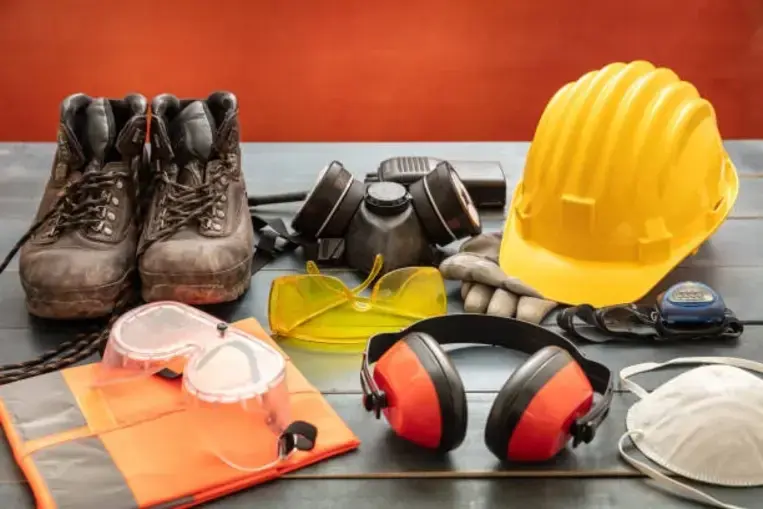
Personal Protective Equipment (PPE): Helmets, gloves, fire suits, and respiratory protection.
Fire Safety Equipment: Fire extinguishers, firefighting suits, and suppression systems.
Surveillance & Monitoring Tools: Explosion-proof CCTV cameras and monitoring systems designed for hazardous zones.
We source and supply products that meet ATEX, CE, BIS, and international safety standards, ensuring our clients operate with confidence, compliance, and peace of mind.
Conclusion
ATEX certification isn’t just about meeting regulations it’s about building a safer, more reliable workplace. It safeguards your people, equipment, and business reputation while enabling global compliance and growth.
At Alpha Solution, we’re here to guide you through every step of achieving and maintaining ATEX compliance. From certified safety gear to fire protection and monitoring systems, we help your operations stay safe, compliant, and future-ready.
FAQs
ATEX certification confirms that equipment and protective systems are safe for use in explosive environments containing flammable gases, vapours, or dust.
It ensures equipment won’t ignite explosive atmospheres, helps maintain worker safety, and supports regulatory compliance in global markets.
Chemical, pharmaceutical, food processing, mining, oil & gas, and paint industries typically require ATEX-certified systems.
Zones classify areas based on explosion risk — Zone 0/20 (high risk), Zone 1/21 (medium risk), and Zone 2/22 (low risk).
Alpha Solution offers certified PPE, fire suppression, and explosion-proof monitoring equipment that fully comply with ATEX and international standards.